Dear friends,
Two years ago, I announced I was running to become UN Secretary-General. Not because I could win. No government was ever going to nominate me, and I was never going to shape my platform to appease one. I did it because someone had to say out loud that the way the UN chooses its next chief is more opaque than presidential elections in China or Russia.
I launched this campaign to push for radical reform. Two years later, the conversation I wanted to force has mostly disappeared, and not because the case for it got weaker. Multilateral institutions are under more direct attack than at any point in this campaign. Trump pulled the US out of 66 international organisations and treaties, including major climate bodies. European governments rediscover international law when it’s Greenland and go silent when it’s Israel’s genocide in Gaza, arming the genocide while lecturing everyone else about sovereignty. The UN isn’t just failing to act. It’s being dismantled, by its own inaction and by the same handful of men deciding who leads it next.
That’s the hardest part of closing this now. I started this campaign to argue for rebuilding the UN. I’m ending it in a moment where most of the world has quietly downgraded its ambition to just keeping the thing afloat.
But two years of campaigning to rally public support around the need for change taught me something too: in the bleakest of times, there is still room to strike a nerve. I never expected to win. I did expect, and still believe, that refusing to shut up about a broken process is worth something, even when the world around it gets darker, not lighter. And as you’ll read in this end-of-campaign newsletter, we did achieve a lot together. So thank you, and let’s fight on!
Wait, what’s the UN Chief selection process?
You may remember that the UN, which is supposed to ensure our basic rights, chooses its chief in a process that would make the maddest dictator ashamed. In short: every five years, a few world powers choose the Chief of the United Nations behind closed doors and without any public involvement, resulting in a man (yes, so far it’s only being men) being selected to preserve the status quo.
That’s obviously an oversimplification, but it’s the gist of it.
The current UN secretary-general’s term ends on December 31st, 2026. The five permanent Security Council members, the US, UK, France, Russia, and China, will make the actual decision later this year. Right now, Carolyn Rodrigues Birkett and Rebeca Grynspan are the two candidates emerging on top.
That’s the system I’ve spent two years trying to drag into the open, running a public campaign for a role you can’t publicly run for, that is not democratically elected, and where decisions are made in the shadows.
Why I’m ending my campaign, now
I was never going to be one of the names the Council votes on. No state nominated me as my proposals are way too radical for those trying to maintain the status quo, and getting one was never really the plan. The plan was to force the real candidates, and the countries backing them, to answer for a process they’d rather keep quiet. That work is done. The Council is now deep in its straw polls, narrowing toward a recommendation in the coming weeks, and my own candidacy has nothing left to add to that part of it.
What’s left to do now is make sure whoever does get this job takes up at least some of our proposals to change the world!
The campaign’s legacy
Thanks to your support, and thanks to incredible volunteers, we challenged the system for over two years, and are leaving a legacy the next UN Chief can build upon! With Atlas volunteers, my campaign team, and everyone who endorsed this, we did a lot. I ran on six survival threats: climate change, artificial intelligence, wars, dictatorship, pandemics, poverty. Here’s where two years of pushing on each of them landed.
Wars and genocide.
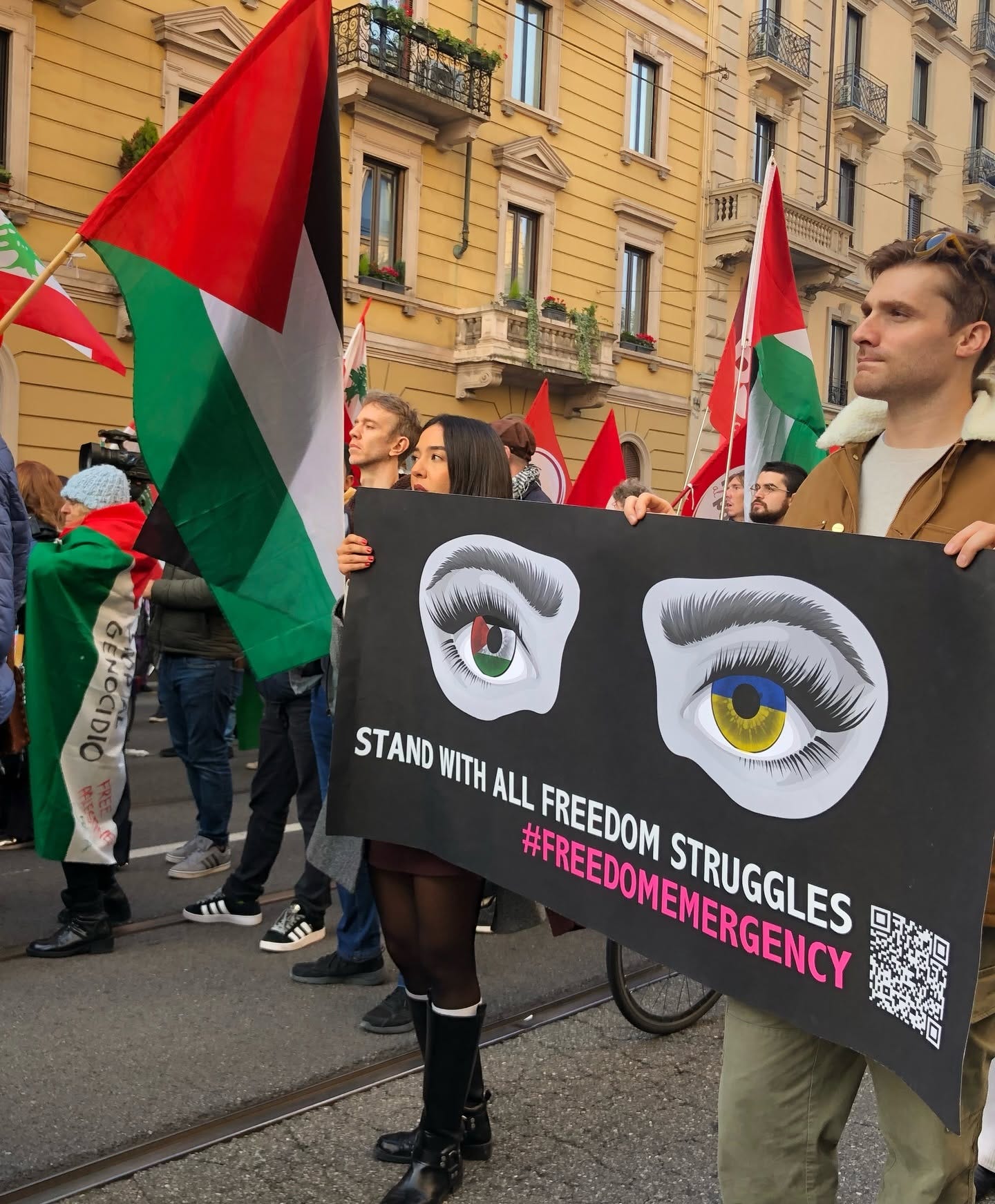
We pushed the General Assembly to adopt a Freedom Emergency Declaration, forcing the UN to act when states commit grave crimes, not just when it’s convenient. Our programme includes a legal path around the Security Council veto for when it’s blocking action on genocide. At EuroPCom, the EU’s own communicators’ summit, I spoke about the need to end hypocrisy on the gravest crimes of our time, calling out the EU directly for being complicit in genocide in Gaza while branding itself on values it doesn’t apply. At the European Forum Alpbach, on a panel about the strength of the UN, I called out officials defending the UN’s inaction instead of demanding the Secretary-General put his body on the line in Gaza and coordinate real efforts to stop the genocide.
Artificial intelligence.
Our New York consultations asked people, not tech companies, what they want the UN to do about AI. That fed into three AI control policies Atlas members approved in May 2025, now part of our programme: an immediate pause on developing superintelligence beyond current capabilities, with a global verification regime and a ban on using AIs to improve other AIs; a new global governance system for AI under the UN, with a regulatory agency, a research body, and a tribunal to resolve disputes; and an international tax on AI profits to fund a Universal AI Dividend, so the wealth AI creates doesn’t stay with a handful of companies.
Dictatorship and authoritarianism.
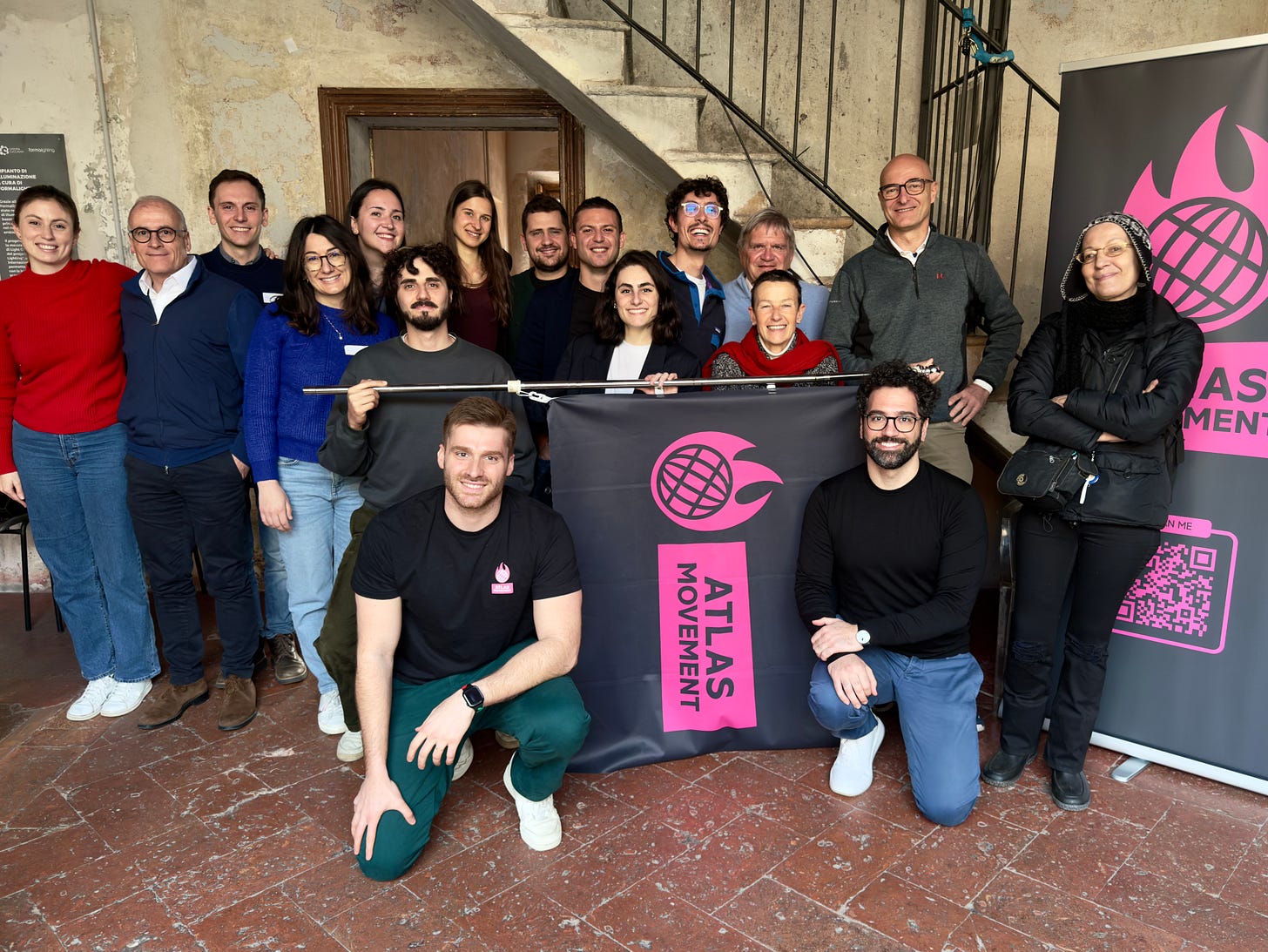
Dr. Habiba Sarabi laid out five concrete actions the UN must take to stand with Afghan women and girls, including codifying gender apartheid. UN Special Rapporteur Gina Romero walked us through what it would take for the UN to actually protect freedoms. At our freedom conference with the Global Democracy Coalition in Milan, experts including UN Independent Expert George Katrougalos and Belarusian opposition leader Sviatlana Tsikhanouskaya worked through proposals that fed into our programme: an International Legal Defense Fund for political prisoners and democracy activists, a Global Transparency Platform exposing human rights violations, and a Democracy Caucus offering incentives to states that uphold international law and penalties to those that don’t.
Pandemics.
Covid killed over 7 million people worldwide, and 75% of all vaccines went to just 10 countries while the rest of the world waited. In 2025, the WHO reached consensus on a pandemic treaty, but it has no enforcement mechanism and no binding rules to actually share vaccine technology. Our programme calls on the WHO to go further: increase global manufacturing capacity, include all countries in preparedness, and share intellectual property and know-how during emergencies, so health apartheid becomes impossible, not just discouraged.
Poverty and inequality.
One in ten human beings lives in extreme poverty, in a world that produces enough food to feed one and a half times the global population. Our programme calls for a global safety net built on a basic income for the most vulnerable and a guaranteed job scheme where that isn’t yet possible, funded by a billionaires’ tax of 3% of wealth and a financial transaction tax, the first taxes the UN itself would ever levy. It also calls for shutting down the tax havens that starve countries of revenue and for a legal system letting countries resolve debt crises without crushing austerity.
Climate change.
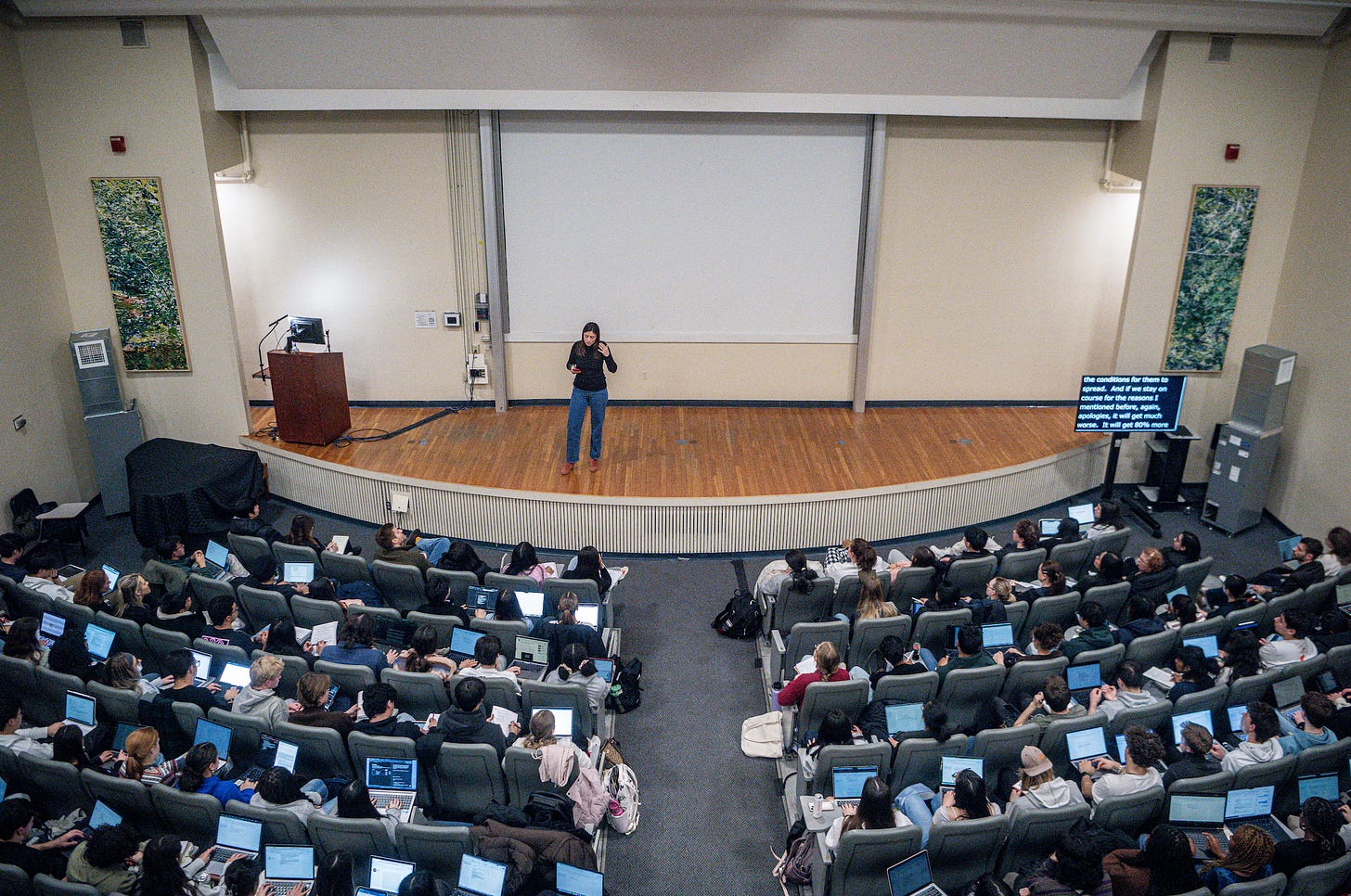
We’re on track for 3°C of warming, a scenario with 600 million people at risk of flooding and food production cut in half. Our programme calls for a global carbon tax, a ban on new coal, oil, and gas exploration, a massive increase in funding for the Green Climate and Loss and Damage Funds, and Global Safe Zones protecting 30% of the planet’s land and marine areas. At my Boston University lecture, I laid all of this out directly to the people who’ll live with the consequences longest. Trump withdrew the US from the Paris Agreement on his first day back in office. Our programme is what filling that gap actually looks like.
And the process itself.
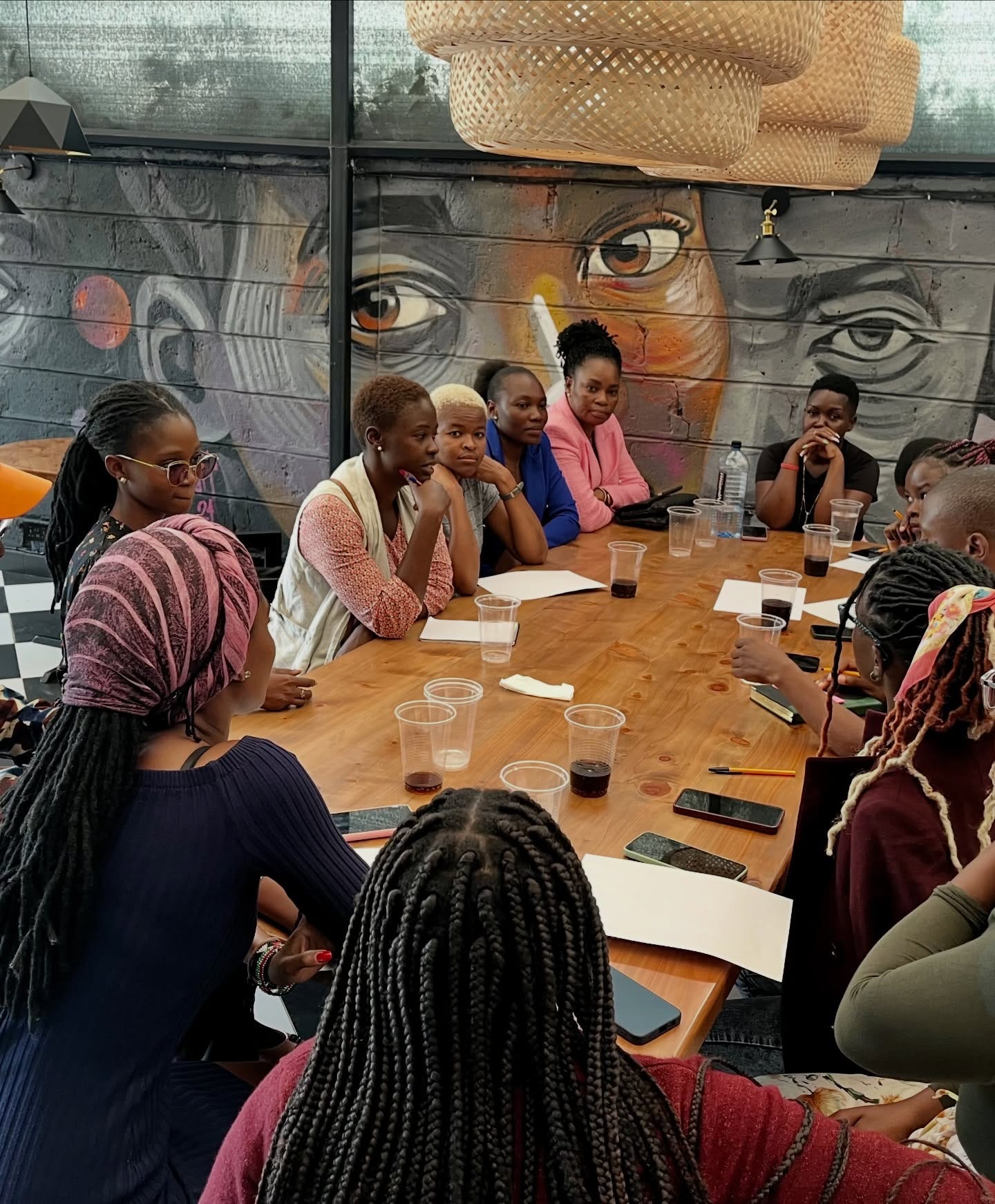
We crowdsourced, wrote, and got approved the first people-backed political programme for the UN, the Survival Bill, built with people across the world, for the people. That included consultations in Nairobi, where over 100 people sat through a five hour event despite flooding to tell us how they’d lost faith in the UN’s ability to deliver on its own promises, and in New York, where we asked people what they wanted the UN to do about AI regulation, the consultations that became the AI policies above.
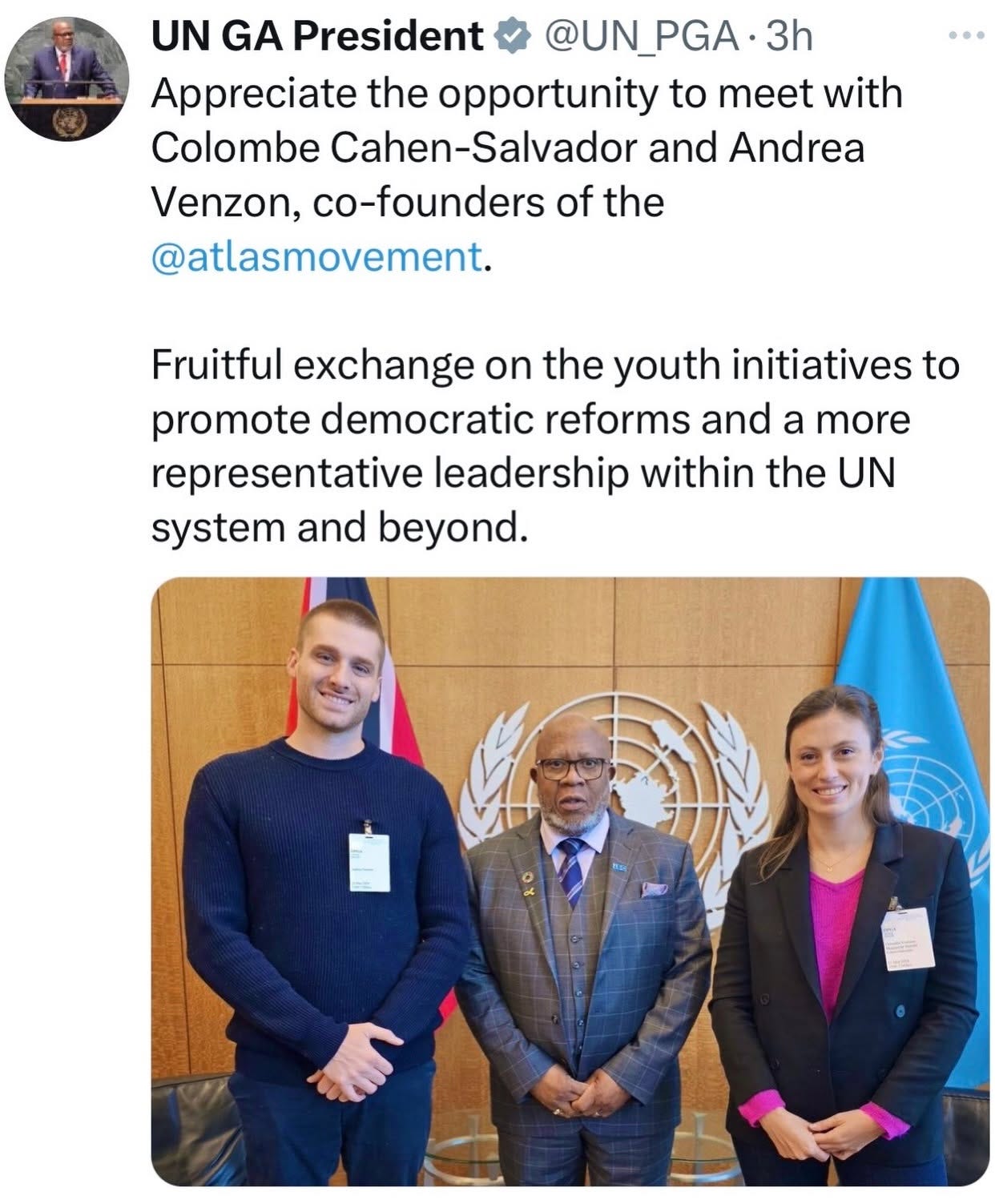
We partnered with the HEC Public Law Clinic on a concrete legal proposal for reforming the selection process itself. I joined the Club de Madrid’s Working Group on Revitalising Support for Democracy within the UN System, taking the argument into the room where former heads of state actually discuss UN reform. We used social media to put this in front of millions of people who’d never think to read a UN reform proposal, and it reached far enough outside our own circles that even Fox News covered the race and my campaign. And we filed a formal complaint to the UN’s Special Procedures, arguing that a process which hands the decision to five governments and shuts out 188 countries violates the right to meaningful participation. The mandate holder wouldn’t take it up. Along the way, I met with high-level representatives directly, including the President of the UN General Assembly, and multiple ambassadors, at UN Headquarters.
None of it was ever about me winning. It was about making sure whoever does win inherits a roadmap, not a blank page, on every one of these six threats.
Where I fell short
I won’t pretend this went how I hoped. The UN is in a more diminished place today than when I launched this campaign two years ago, not a stronger one. I never expected to be endorsed by a state. But I did expect, or at least hope, to get more of the wider public to care about what happens to an institution that’s supposed to save us from hell, and to keep it in the public eye in a way this campaign didn’t fully manage. That’s the honest gap between what I set out to do and what actually happened.
My hope for the next Secretary-General
I started this campaign because no one, no world leader, no institution, was stepping up on any of these six threats. That is still true, and it’s truer now, in a world with less patience for reform and more attacks on the institutions meant to manage these threats in the first place. Whoever becomes the next Secretary-General inherits all six problems. Now they inherit six answers too.
Two women are leading this race, Rebeca Grynspan and Carolyn Rodrigues Birkett. Eighty years, and never once a woman. If either of them gets it, that ceiling breaks, and I hope it does. But breaking it isn’t the finish line. My hope isn’t just for a woman in the job. It’s for a woman willing to do what none of her predecessors did: stand up to the five superpowers who treat this institution as theirs, not ours, on every single one of the six.
This isn’t goodbye to the fight
I’m closing my campaign. I’m not closing this fight. I’ll keep pushing our programme, keep pressing whoever is chosen to adopt it, and keep holding this institution to the standard it wrote into its own Charter: “We the Peoples.” Not we the five. I hope you’ll join me in doing the same.
Thank you for two years of reading this, endorsing this, showing up to this. Thank you for being part of this mad journey: I truly cannot believe I actually ran for UN Chief.
Onward,
Colombe
P.S.: as always, there’s more coming soon :) And don’t forget, the fight was fun!
—
Colombe Cahen-Salvador (she/her)
Co-Founder & Candidate for United Nations Secretary-General
Atlas
Youtube | Substack | Facebook | X | LinkedIn | Instagram | TikTok | Threads | Bluesky